

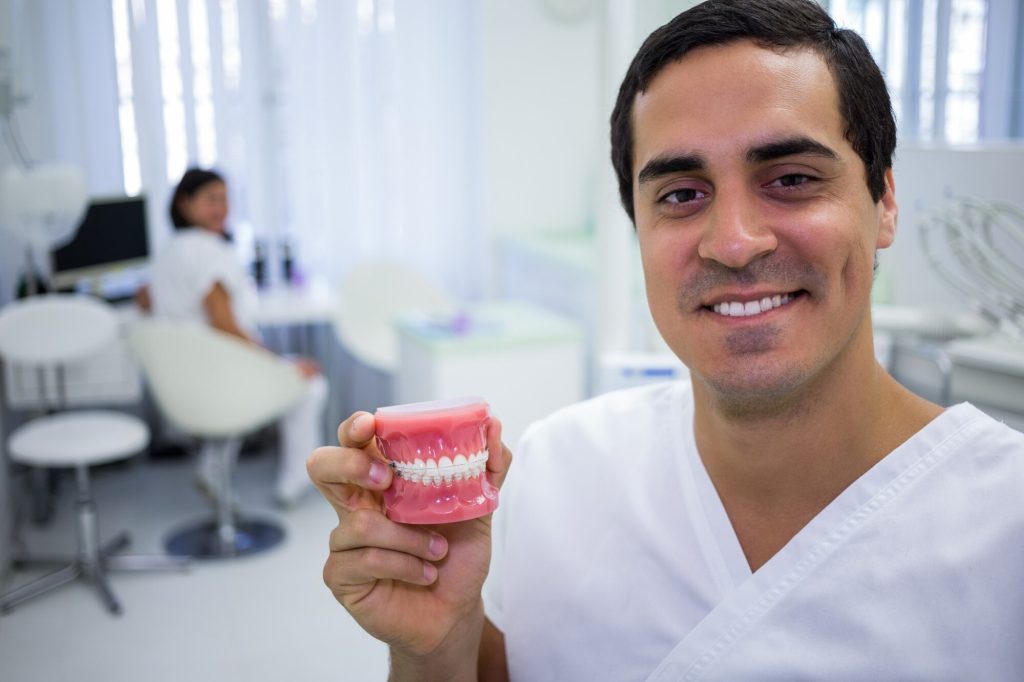
When people lose most or all of their teeth, they face a choice. Traditional dentures have been the standard solution for decades — and they work for many people. But a newer option, implant dentures, is changing what is possible for people who want more stability, comfort, and function.
Many patients asking whether implant dentures are truly better are actually asking, is the extra cost, the surgery, and the longer treatment timeline worth it? If you are exploring options at a denture clinic near you, understanding the real differences between these two approaches helps you make an informed decision for your specific situation.
How Traditional Dentures Work
Traditional dentures sit on top of the gum ridge. They are held in place through a combination of suction, the shape of the gum ridge, and sometimes denture adhesive.
They rest entirely on soft tissue there is nothing anchoring them to bone. This fundamental design creates the limitations many denture wearers experience:
- The jawbone shrinks slowly over time, causing it to loosen.
- Moving while eating, speaking, or laughing
- The need for denture adhesive for confidence
- Difficulty eating certain foods
- Speech changes caused by denture movement
- Regular adjustments and relines as the gum shape changes
Traditional dentures work reasonably well for many people particularly in the early years after tooth loss when the jawbone has not yet shrunk significantly. But as time passes, they tend to become less stable and more problematic.
How Implant Dentures Work Differently
Implant dentures use a completely different approach. Instead of resting on the gum, they attach to titanium posts that are placed directly into the jawbone.
The implants serve two critical functions:
- They anchor the denture securely—eliminating movement and looseness
- They stimulate the jawbone—stopping the bone resorption that traditional dentures cannot prevent
Because the denture is anchored to bone rather than soft tissue, it remains stable and secure throughout the day whether eating, speaking, or laughing.
How Implant Dentures Improve Chewing Ability
One of the most immediately noticeable differences patients report is how much better they can eat.
How implant dentures improve chewing ability comes down to stability and confidence. With a traditional denture that moves, patients often avoid harder or chewier foods. They eat slowly and carefully, monitoring the dentures constantly.
With implant dentures:
- The denture does not move—allowing confident, natural chewing
- Harder foods like nuts, raw vegetables, and meat become possible
- Chewing is faster and more efficient—you can actually enjoy meals
- There is no constant worry about the denture slipping
- Nutrition improves because a wider range of foods is accessible
For many patients, this return to normal eating is genuinely life-changing. They realize how much their quality of life had declined with traditional dentures—and how much it improves with stability.
Why Implant Dentures Feel More Natural
Understanding why implant dentures feel more natural helps you appreciate what stability actually means for day-to-day living.
A traditional denture always feels like something foreign in your mouth. Even after years of wearing one, it never quite feels like part of you. There is constant awareness of it monitoring whether it is staying in place, whether it might move at an inconvenient moment.
An implant denture, by contrast, feels anchored. It does not move. You stop thinking about it, which is exactly what natural teeth feel like. You do not think about your natural teeth all day. They are just there, doing their job.
This difference in feel translates to a genuine difference in quality of life and confidence.
Bone Preservation and Long-Term Health
This is one of the most significant differences between the two approaches—and one that many people do not understand until it is explained.
Traditional dentures accelerate bone loss. Without tooth roots stimulating the bone, the jawbone continues to shrink. Over the years, the face can begin to look sunken and aged not because of skin changes but because of bone loss beneath the skin.
Implant dentures stop this process. The implant posts stimulate the bone, maintaining its density and volume. The jaw structure stays intact, and the facial appearance does not change in the way it inevitably does with traditional dentures.
Cost and Treatment Timeline
Implant dentures cost more overall than traditional dentures. The cost is impacted by the surgery, implant posts, and osseointegration time involved.
But when you factor in the following:
- Years of denture adhesive purchases
- Frequent relines and adjustments for traditional dentures
- The cost of denture repairs in Calgary for traditional dentures over time
- Potential dental work to address bone loss complications
The long-term cost difference may be smaller than it initially appears.
The treatment timeline is longer typically four to six months from implant placement to final denture delivery — but the result is worth the wait for many patients.
Who Is a Good Candidate for Implant Dentures?
Most adults with adequate jawbone density are candidates for implant dentures. If bone loss has already occurred, bone grafting can often rebuild it to a level that supports implants.
At a trusted clinic near you, a thorough assessment determines your candidacy and explains your options clearly.
Discover Your Options — Northeast Denture Clinic Is Here to Help
The choice between traditional and implant dentures is genuinely personal based on your budget, timeline, health, and goals. Both options can improve the quality of life significantly. But for many patients, the stability, comfort, and long-term benefits of implant dentures represent a life-changing improvement.
At Northeast Denture Clinic, every patient receives a thorough assessment and honest guidance about which option makes the most sense for their individual situation. Book your consultation with us today and explore which path is right for you.
Frequently Asked Questions
How many implants are needed to support a full denture?
The number varies depending on the type of implant denture typically two to four implants support a removable overdenture that snaps onto the implants, while four to six implants are used for fixed full-arch dentures that do not come out.
How long do implant dentures last compared to traditional dentures?
Implant posts can last a lifetime with proper care the denture component may need replacement after 10 to 15 years whereas traditional dentures typically need replacement every 5 to 7 years as the bone shape changes.
Is the implant surgery painful?
The procedure is performed under local anesthetic, so you should not feel pain during surgery mild soreness and swelling for a few days afterward are normal and manageable with prescribed or over-the-counter pain relief.
Can I eat normally with implant dentures right away after they are placed?
Most patients can return to normal eating within a few days to a week soft foods are recommended initially, but within a few weeks, most foods are possible, and by a few months, patients are eating normally.
What if I do not have enough jawbone for implants?
Bone grafting can rebuild the jawbone to the density and volume needed to support implants your denture team will assess your current bone levels and discuss whether grafting is needed and what it involves.