

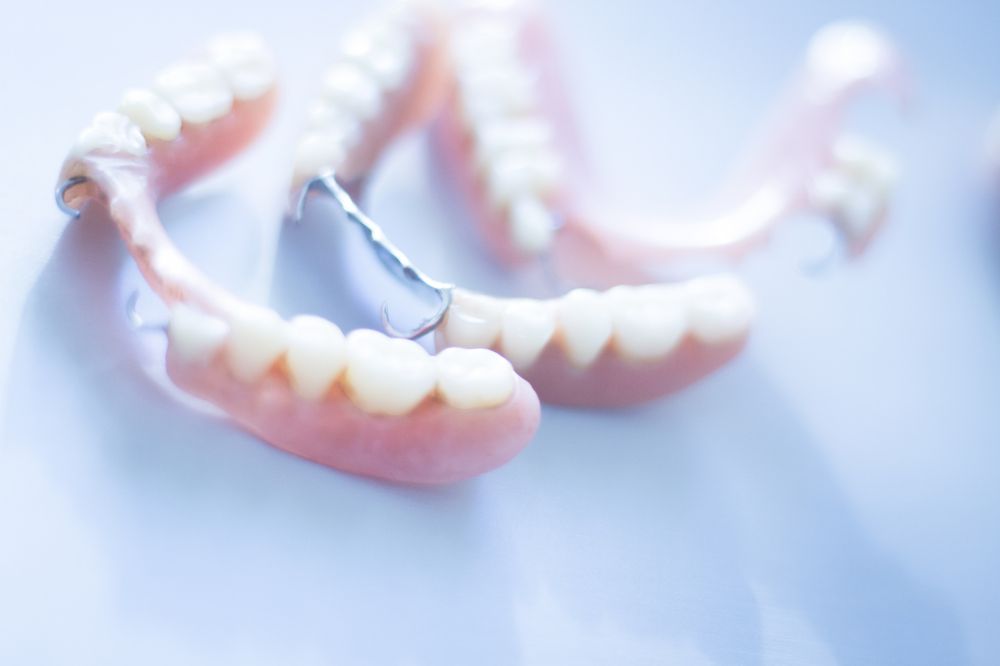
Are your gums tender, irritated, or sore in spots from new dentures? Experiencing some discomfort while your mouth gets used to this new appliance is normal. However, repeated pain isn’t normal. There are so many partial dentures in Calgary that can replace missing teeth for all your daily functions, but they have to fit comfortably. Otherwise, there can be undue pressure and rubbing. With regular basic care, cleaning, and adjustments, discomfort can be lessened, making dentures easier to wear.
What Causes Denture Soreness?
Denture soreness can happen when your dentures put too much pressure on one part of your gums. This may occur if your dentures do not fit well or if your mouth changes over time.
Common causes include:
- Dentures rubbing against your gums
- Uneven pressure when chewing
- Loose or poorly fitting dentures
- Wearing new dentures for too long while your mouth adjusts
- Food stuck under the dentures
- Changes in your gums or jaw over time
If your soreness continues or keeps coming back, have your dentures checked by a dental professional.
How Can Proper Denture Fit Prevent Irritation?
A well-fitting denture should feel secure without causing constant rubbing or pressure. If a denture moves while eating or speaking, certain areas of the mouth may receive more pressure than others. A denture professional may check the fit and make adjustments when needed. Avoid trying to reshape or repair the denture at home, as this can affect its fit and function.
What Is the Fastest Way to Heal Denture Sores?
The best way to help denture sores heal is to stop the rubbing or pressure that is causing them. Wearing dentures that keep rubbing a sore area may slow healing.
Helpful tips include:
- Remove your dentures when resting, unless your dentist says otherwise.
- Keep your mouth clean with gentle brushing.
- Rinse with warm salt water if recommended.
- Eat soft foods while your mouth is sore.
- Avoid hot or spicy foods if they cause pain.
- Have your dentures checked if the soreness continues.
If the soreness does not get better, see a dental professional at a dental clinic in Calgary to find the cause.
What Is Good for Sore Gums From Dentures?
Gentle oral care can help soothe sore gums and keep the mouth clean. A soft toothbrush can be used to clean the gums, tongue, and roof of the mouth carefully.
For additional comfort:
- Rinse gently with warm salt water.
- Drink enough water throughout the day.
- Avoid foods that irritate sensitive areas.
- Clean dentures regularly according to care instructions.
- Give the gums appropriate rest from wearing dentures.
A dental professional at a dental clinic near you should assess persistent pain, bleeding, or unusual changes.
How Can Dentures Be Kept Clean?
Keeping your dentures clean can help remove food and bacteria that may cause mouth irritation. Clean them gently to avoid damage.
Daily denture care includes:
- Take out your dentures before cleaning.
- Rinse them with water to remove food.
- Gently brush them with a denture brush or soft toothbrush.
- Clean your gums and natural teeth separately.
- Store your dentures as advised when not wearing them.
Regular cleaning helps keep your dentures and mouth healthy.
How Can Eating Habits Reduce Denture Irritation?
Eating with dentures may feel strange at first. Choosing the right foods can help reduce pressure and make eating more comfortable.
Try these tips:
- Start with soft foods cut into small pieces.
- Chew slowly on both sides of your mouth.
- Slowly add firmer foods as you feel more comfortable.
- Avoid sticky foods that may pull on your dentures.
- Limit very hard foods that can put extra pressure on your gums.
If chewing is still uncomfortable after some time, have your dentures checked for a better fit.
What Should Be Done About Partial Dentures?
Partial dentures near you may need adjustments as your mouth changes. Even if they fit well at first, changes in your gums, teeth, or jaw can affect the fit over time.
Regular dental checks can help find:
- New sore or pressure spots
- Changes in the fit
- Damage to the dentures
- Problems with supporting teeth
- Areas that keep getting irritated
Timely adjustments can make your dentures more comfortable and help protect your oral health.
Make Your Dentures More Comfortable With Proper Care!
Are your dentures causing soreness, pressure, or discomfort? The right care, gentle cleaning, and regular dental checks can help improve comfort and keep your dentures fitting well. If soreness continues or gets worse, it is important to have your dentures checked to find and address the cause. Book an appointment with Northeast Denture Clinic for a denture assessment and personalised advice to help improve the fit, comfort, and everyday use of your dentures.
FAQs
1. Why do my dentures make my mouth sore?
Soreness may result from rubbing, pressure, an uneven fit, or changes in the mouth. New dentures may also require adjustments during the early wearing period.
2. How long does denture soreness last?
Mild soreness may get better as your mouth gets used to the dentures. If pain continues or gets worse, see your dental professional.
3. Should I remove dentures if my gums hurt?
Taking your dentures out for some time may help sore gums rest. Follow your dentist’s advice on when to wear them.
4. Can denture sores heal without an adjustment?
Small sores may heal when the irritation stops. If the denture keeps rubbing the same spot, an adjustment may be needed.