

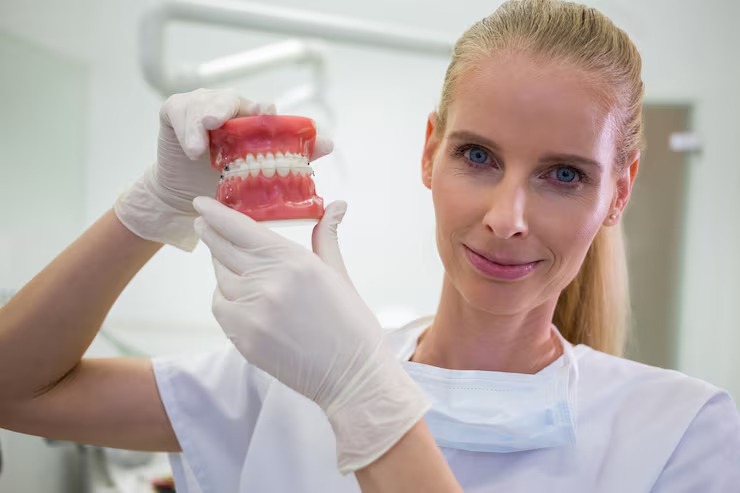
Implant-supported dentures work by attaching a full arch of prosthetic teeth to titanium posts that are surgically placed into the jawbone. Unlike traditional dentures that sit on the gums using suction or adhesive, these dentures snap or screw into place, providing a secure foundation that prevents slipping and allows for a much stronger biting force.
Your First Step Toward a Secure Smile
Starting the journey to a new smile usually begins with a visit to a trusted denture clinic in Calgary that residents rely on for specialized care. During this initial meeting, a professional will take X-rays or 3D scans of your jaw to check the health of your bone. This is a vital step because the implants need a strong base to hold the new teeth firmly in place.
If you have been missing teeth for a long time, your jawbone might have thinned. In some cases, a provider might suggest a minor bone graft to strengthen the area first. This ensures that the implant-supported dentures Calgary specialists provide will be successful and last for many years to come.
Understanding Tooth Replacement Options
When you lose several teeth or a full arch, it is important to look at all your tooth replacement options to see which fits your lifestyle. Traditional dentures are often the fastest solution, but they can move around when you eat or speak. On the other hand, implant-supported systems offer a level of stability that feels much closer to having natural teeth again.
By choosing a system that uses implants, you are not just replacing the visible part of the tooth; you are also replacing the root. This helps keep your jawbone healthy and prevents the “sunken” look that sometimes happens with long-term tooth loss.
Fixed vs Removable Dentures: Which is Right?
One of the biggest decisions you will make is choosing between fixed vs removable dentures for your final result. Fixed dentures are permanently attached to the implants and can only be removed by a professional. They are cleaned just like natural teeth through brushing and flossing.
Removable versions, often called “snap-on” dentures, are held securely by the implants but can be taken out by the patient for cleaning at night. Both options provide much more security than old-fashioned dentures, so the choice usually comes down to your personal preference for hygiene and convenience.
The Step-by-Step Procedure
The process is a journey that happens over several months to ensure the best results. Here is a breakdown of what you can expect during the transformation:
| Phase | What Happens | Estimated Time |
| Consultation | Scans, X-rays, and Health History Review | Day 1 |
| Implant Placement | Small Titanium Posts Are Placed into the Jawbone | 1–2 Hours |
| Healing Period | The Bone Grows Around the Posts (Osseointegration) | 3–6 Months |
| Abutment Fitting | Small Connectors Are Attached to the Posts | 1 Day |
| Final Placement | Your Custom-Made Dentures Are Attached and Adjusted | 1–2 Weeks |
The Surgical Phase and Healing
Once the plan is set, the surgical phase begins. A specialist will carefully place the titanium posts into the jaw. While this sounds intense, most patients find the recovery manageable with standard over-the-counter pain relief. You will likely wear a temporary set of teeth during the healing months, so you never have to go without a smile.
During the next few months, a process called osseointegration happens. This is a fancy way of saying your bone and the titanium posts become one. This fusion is what makes the dentures so strong and prevents them from shifting while you enjoy your favourite foods.
Creating Your Custom Smile
After your jaw has fully healed, the focus shifts to the appearance of your new teeth. The clinic will take detailed impressions of your mouth to design a denture that looks natural and fits your facial structure. You can choose the shade and shape of the teeth to ensure you feel confident when you laugh or talk.
The final appointment involves attaching the custom denture to the implants. The provider will check your bite and make small adjustments to ensure everything feels comfortable. Most patients are amazed at how much more force they can use when chewing compared to their old removable sets.
Caring for Your New Investment
Even though these teeth are artificial, they still require excellent care to keep your gums healthy. If you have a removable set, you will clean the attachments and the denture daily. If you have a fixed set, you will use special floss or a water flosser to clean underneath the bridge.
Regular check-ups are still necessary. Your provider will want to ensure the implants are stable and that the “o-rings” or clips on removable sets are replaced periodically to maintain a tight fit.
A Healthier Future for Your Smile
Choosing to upgrade your dental health is a life-changing decision that impacts how you eat, speak, and feel about yourself. Systems that use implants deliver a degree of freedom not available in alternatives. When you invest in a solid foundation, you are also safeguarding your jawbone, allowing you to have a beautiful smile for a long time to come.
The North East Denture Clinic will restore your confidence through our specialized treatment and experts taking personalized care of you. The mouth of every Australian is different, and our team will find the right fit for you.
We welcome you to get in touch with us for a friendly conversation, where we can answer your questions and help you start on the path to a more secure and comfortable smile.
Frequently Asked Questions
How do I know if I have enough bone for implants?
The only way to know for sure is through a 3D scan at a professional clinic. This scan shows the thickness and height of your bone. If you don’t have enough, modern bone grafting techniques can often build up the area to make implants possible.
Does the procedure hurt?
The surgery is performed under local anesthesia so that you won’t feel pain during the process. Afterward, most patients report some soreness and swelling for a few days, similar to what you might feel after a tooth extraction.
Can I eat regular foods again?
Yes! One of the biggest perks of this treatment is being able to eat crunchy or sticky foods like apples, steak, and corn on the cob. Because the denture is anchored to the bone, it won’t pop out while you chew.
How long do the implants last?
The titanium posts are designed to last a lifetime if they are cared for properly. The denture (the teeth) may need to be replaced or repaired every 10 to 15 years due to normal wear and tear, just like any other prosthetic.