

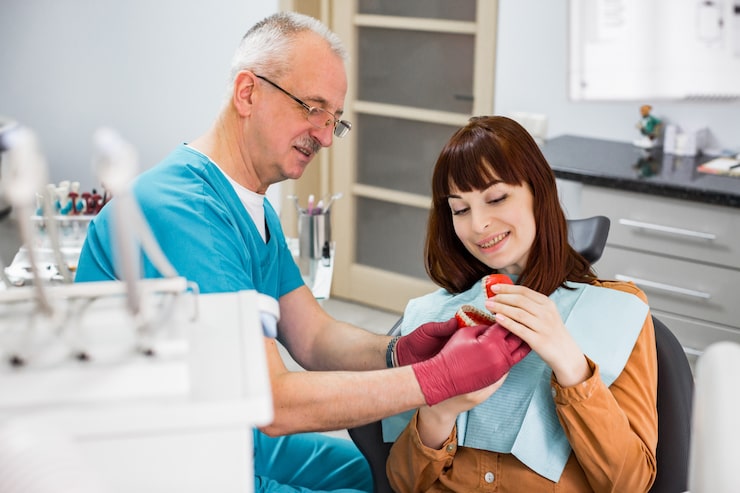
Dentures should feel secure and comfortable in your mouth. When they start to feel loose, it can affect how you eat, speak, and smile. If you are in search of a denture clinic near you when this happens, understanding the cause is the first step to fixing the problem. Denture relines are a simple way to improve the fit of your dentures without replacing them completely.
What is a Denture Reline?
A denture reline is a process where the inside surface of your denture is adjusted to fit your gums better. Over time, your mouth changes shape, and dentures may no longer sit properly. A reline helps your dentures match your current gum shape.
There are two common types:
- Soft reline: Uses a softer material for extra comfort.
- Hard reline: Uses a more durable material for long-term fit.
Both options help improve stability and comfort.
Why Do Dentures Become Loose?
Dentures do not stay the same forever. Changes in your mouth can cause them to loosen over time.
Common causes include:
- Bone shrinkage: After tooth loss, the jawbone slowly reduces in size.
- Gum changes: Gums can shrink or shift, affecting the fit.
- Daily wear: Regular use can wear down the denture base.
- Weight changes: Body changes can also affect your oral structure.
- Improper care: Not cleaning or maintaining dentures properly.
These changes are natural and happen gradually, which is why many people do not notice the problem right away.
How Do You Know If Your Dentures Need Relining?
It is important to recognize early signs so you can avoid discomfort or further issues.
Signs dentures need relining include:
- Dentures feel loose or move while talking.
- Food gets stuck underneath.
- You feel sore spots on your gums.
- Clicking sounds when you speak.
- Difficulty chewing certain foods.
- Increased use of denture adhesive.
If you notice any of these signs, it may be time to consider a reline.
What Problems Can Loose Dentures Cause?
Loose dentures have many impacts beyond being just uncomfortable. Here are some possible problems:
- Inflammation and ulcers: Constant friction leads to gum damage.
- Speech issues: Ineffective dentures cause you to mumble.
- Chewing troubles: Some foods might be difficult to consume.
- Infections: Loose dentures may harbor harmful bacteria.
- Lack of self-confidence: It could hinder your ability to smile.
Fixing the fit early can prevent these problems from getting worse.
How Does the Denture Reline Process Work?
The process is simple and usually does not take long.
Steps involved:
- The denture is checked for fit and comfort.
- A new impression of your gums is taken.
- Material is added to the inner surface.
- The denture is adjusted and polished.
In some cases, you may receive a temporary solution while the final reline is prepared.
Are There Different Denture Adjustment Solutions?
Yes, there are several ways to improve denture fit depending on your needs.
Denture adjustment solutions include:
- Relining: Adjusting the inner surface for a better fit.
- Rebasing: Replacing the entire denture base while keeping the teeth.
- Replacement: Creating a new denture if the old one is too worn.
Your dentist will guide you on the right option based on your condition.
How Often Should Dentures Be Relined?
Dentures require relining every year or two, though there are exceptions.
Variables that impact the need for relining include:
- The pace of bone resorption.
- General oral condition.
- Usage of dentures.
- Quality of the dentures.
Routine examinations will alert you to problems before they become serious.
What Makes Denture Relines Important?
Relining is not just about comfort—it helps maintain your oral health.
Benefits of denture relines:
- More secure holding and stability.
- Increased capacity to chew food.
- Less gum irritation.
- Easier communication.
- Extended lifetime of dentures.
When thinking about denture relining in Calgary, it is one of the most convenient ways to get their comfort back without beginning afresh.
Can You Prevent Dentures from Becoming Loose?
You cannot stop natural changes in your mouth, but you can slow down the effects.
Helpful tips:
- Clean dentures daily.
- Handle them carefully to avoid damage.
- Visit your dental clinic regularly
- Avoid using worn-out dentures for too long.
- Follow proper storage when not in use.
Good habits can help your dentures last longer and fit better.
When Should You Visit a Denture Clinic?
You should not wait until the discomfort becomes severe. Early care makes a big difference.
Visit a clinic if you notice:
- Constant looseness.
- Pain or irritation.
- Changes in how dentures fit.
- Difficulty eating or speaking.
Timely care ensures your dentures remain functional and comfortable.
Restore Comfort with the Right Care
Loose dentures may impact various aspects of your life; however, addressing the issue is pretty straightforward. Denture relines play an important role in improving the fit, enhancing your comfort level, and enabling you to go about your day-to-day activities normally.
Smile Comfortably Again with North East Denture Clinic
If you feel that your dentures are not fitting well anymore, then it might be time for a change. Here at North East Denture Clinic, we have the means to tailor your experience and improve your dentures so that they become more comfortable for you. From small adjustments to re-lining your dentures completely, taking action today will make sure you enjoy eating and smiling without any hassle.
FAQs:
How long will it take to get a denture reline?
It may take a few hours up to a couple of days, based on the kind of procedure involved.
Is a denture relining painful?
No, denture relining is not painful, but it provides pain relief from poorly fitting dentures.
How do I know if I need a denture reline or replacement?
If your dentures are still in good condition but feel loose, a reline may work; severe wear may need replacement.
Can I wear my dentures during the reline process?
In some cases, you may need to leave them at the clinic, but temporary options may be provided.