

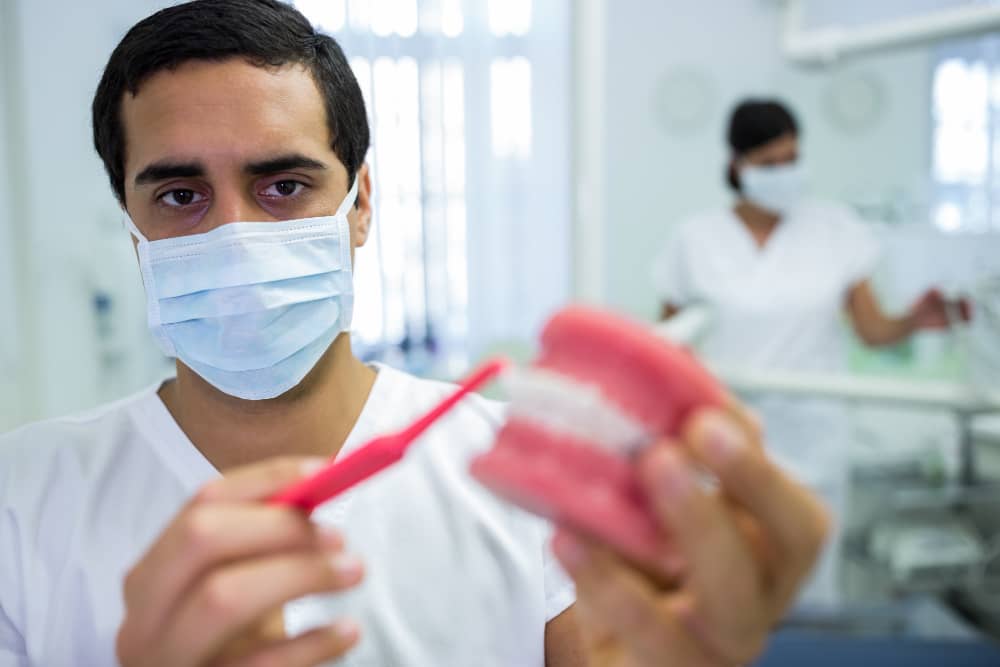
Did you know that, even if you wear dentures, plaque build-up can still occur, just like on your natural teeth? Failure to clean them regularly may also result in bad breath, gum irritation, and infection. For any individual who has this issue, your journey towards better oral hygiene starts with guidance from a Calgary denturist. They can help you care for your prosthetic property and answer any questions you might have.
Why Does Plaque Build-Up on Dentures?
Plaque is created when food particles, bacteria, and saliva are combined. Although dentures do not consist of living tooth tissue, the surface can become contaminated with bacteria if it is not routinely cleaned. Plaque can harden into tartar with time, which is more tenacious and difficult to remove.
Daily upkeep isn’t just about making your dentures look their best; it’s also about your overall oral health.
If you already have a buildup and require professional assistance, visit a denture clinic in Calgary; the staff there can have your prosthetic professionally and safely cleaned.
What’s the Right Way to Clean Your Dentures?
It’s essential that you’re practicing the right daily care regimen, which entails the following.
- Rinse after meals: Always rinse your dentures with lukewarm water after eating to remove loose particles.
- Use a soft denture brush: Avoid regular toothbrushes as they can be too abrasive. Brush gently to avoid scratching the surface.
- Use non-abrasive denture cleansers: Regular toothpaste can be too harsh. Stick to products designed specifically for dentures.
- Soak overnight: Most dentures need to stay moist to retain their shape. Use a recommended denture solution for soaking.
How to Remove Tartar from Dentures Instantly?
Tartar is much tougher than plaque and typically requires a more aggressive cleaning approach. These are a couple of safe and effective ways to go about it:
- White vinegar soak: Soak your dentures overnight in a 50/50 mixture of white vinegar and water. Vinegar breaks down tartar without harming the denture material.
- Baking soda paste: Combine baking soda and a little water to form a paste. Gently brush dentures with the paste to remove surface stains and buildup.
- Ultrasonic cleaners: These machines employ sound waves that remove debris and plaque. They are an excellent supplement to your cleaning regimen, but not a substitute for brushing and soaking.
Still unsure of how to eliminate tartar on dentures instantly? Although in-home techniques will work, highly ingrained tartar requires expert treatment. Don’t hesitate to consult a dental professional if your efforts aren’t producing the results you need.
How Do You Clean Badly Stained Dentures?
Tea, coffee, tobacco, or food stains can prove to be real stubborn ones. To get them off:
- Hydrogen peroxide solution: A gentle solution can draw out embedded stains. Rinse well after soaking.
- Commercial denture whitening agents: Use solutions meant for dentures only, as regular whitening toothpaste is too abrasive.
- Professional cleaning: When the stains simply won’t move, then it is time to pay a visit to a professional for ultrasonic or deep cleaning.
These methods can offer noticeable improvement if you’re wondering how to clean badly stained dentures at home. However, the best strategy is always prevention-by rinsing after meals, and avoiding stain-causing substances.
Tips For Denture Care
- Handle with care: Dropping your dentures can cause cracks, making them harder to clean effectively.
- Practice good mouth hygiene: Even with full dentures, brush your gums and tongue daily.
- See a professional regularly: A professional will check the fit and cleanliness of your dentures and give a deep cleaning if needed.
Keep Your Dentures Spotless – Book With North East Denture Clinic Today!
If plaque or persistent stains are irritating your dentures, it’s time to act. Let our experienced professionals assist you in keeping your dentures fresh, comfortable, and long-lasting. Book your denture care appointment with us today, because a brighter smile begins with cleaner dentures.