

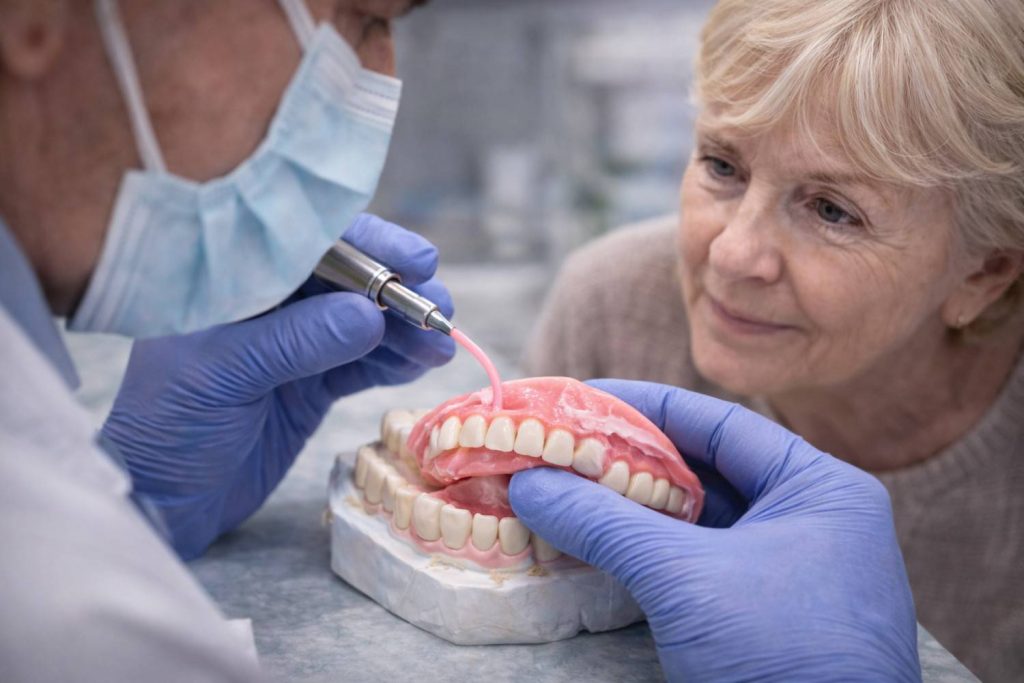
Dentures are a vital tool for restoring your smile and your ability to eat comfortably, but they are not a “set it and forget it” solution. Over time, the shape of your mouth naturally changes as the jawbone and gum tissues shrink.
When your prosthetic no longer matches the contours of your mouth, it can lead to significant discomfort, irritation, and even long-term damage to your oral health.
Seeking out professional denture relines near you is the most effective way to restore that snug, secure fit. A reline involves resurfacing the underside of the denture base with new material, ensuring it sits perfectly against your gums once again.
The Importance of Maintaining Your Denture Fit
Many patients wonder how often dentures should be relined to maintain optimal oral health. Generally, dental professionals recommend a professional reline every one to two years.
This frequency is necessary because the bone that previously supported your natural teeth begins to resorb or “melt away” once those teeth are gone. This is a biological process that happens to everyone, regardless of how well their dentures were initially made.
By staying on top of routine adjustments, you can avoid the discomfort of a loose prosthetic, prevent facial sagging, and extend the lifespan of your dental appliance.
7 Signs Your Dentures Need a Reline
It is essential to recognize the physical signs that dentures need a reline before they lead to more serious complications. If you notice any of the following seven issues, it is time to schedule a professional assessment:
- Frequent Slipping: Your dentures move unexpectedly when you speak, laugh, or cough, making you feel insecure in social situations.
- Persistent Sore Spots: You notice red, painful areas or “ulcers” on your gum tissue caused by the base rubbing against the mouth.
- Difficulty Chewing: Foods that were once easy to eat now feel difficult to manage, or you find yourself favoring one side of your mouth.
- Excessive Use of Adhesive: You find yourself applying more cream, powder, or strips than usual to get through the day.
- Trapped Food Particles: Larger food particles constantly get stuck under the denture base, causing irritation and bad breath.
- Slurred Speech or Lisps: You have developed a slight lisp or find your words sounding “muffled” because the denture is shifting while you talk.
- A “Sunken” Facial Appearance: Because the denture isn’t sitting at the right height, your lips may look thinner, or your jaw may appear more recessed.
Why Delaying Treatment Only Makes Things Worse
If you delay treatment, it can cause significant consequences. When a denture is unstable, it creates uneven “pressure points” on the gums. This localized pressure actually speeds up bone loss, making it even harder for future dentures to stay in place.
Furthermore, chronic irritation can lead to infections such as denture stomatitis or the development of painful excess tissue.
Visiting a denture clinic near you as soon as discomfort begins is the best way to prevent these painful and potentially costly medical issues.
Understanding Hard vs. Soft Relining Materials
Depending on your specific needs and gum sensitivity, there are two primary ways to adjust the fit.
A “hard reline” is the most common and uses a durable acrylic material. This is typically done by taking an impression of your mouth and processing it to create a long-lasting, firm base.
A “soft reline” uses a more pliable, rubber-like material. This is often recommended for patients with very thin or sensitive gum tissue who find hard acrylic too painful.
Your denturist will help you decide which material will provide the best balance of comfort and function.
The Professional Reline Process
The reline process is straightforward and designed for patient convenience. The practitioner will remove a small amount of the old plastic from the inside of your denture and replace it with a fresh layer of material. You will then bite down so the new material shapes itself perfectly to your current gum line.
While some clinics offer “chairside” relines that are finished in under an hour, others may send the prosthetic to a lab for a more permanent, heat-cured finish. This simple update can make an aging prosthetic feel as comfortable as the day you first received it.
Long-Term Care for Your New Fit
Once your fit has been restored, proper maintenance is key to keeping the new lining in good condition. You should continue to clean your dentures daily with a non-abrasive cleaner and soak them overnight to allow your gum tissues to rest and breathe.
Avoid boiling water when cleaning them, as extreme heat can warp the plastic and ruin the custom fit of your new reline. Regular check-ups remain essential, as your denturist can monitor your gum health and catch any minor changes before they become painful.
Reline Frequency and Benefits
| Feature | Regular Relining | Neglected Maintenance |
| Gum Comfort | High / No sore spots | Low / Chronic irritation |
| Bone Preservation | Helps maintain jaw structure | Accelerates bone resorption |
| Aesthetic Support | Proper lip and cheek support | Sunken or aged appearance |
| Speech Clarity | Clear and confident | Mumbled or slurred sounds |
| Long-term Cost | Preventative and affordable | Leads to expensive repairs |
Regain a Confident and Comfortable Smile
Maintaining a denture fit is essential for comfort, clear speech, and enjoying your favorite foods. Minor discomfort can lead to bigger issues, so receiving immediate care is necessary.
At North East Denture Clinic, we ensure your dentures fit securely and comfortably. Our team offers care that suits your needs to help you smile with confidence.
If your dentures feel loose or cause pain, it is time to schedule a consultation today to experience the difference a professional reline can make.
FAQs
Can I reline my dentures with a store-bought kit?
It is highly discouraged; DIY kits often use harsh chemicals that can burn your gums or permanently warp the denture, leading to a much more expensive replacement.
How long does a professional reline appointment take?
A chairside reline usually takes about 45 to 60 minutes, while a laboratory reline may require you to leave your dentures at the clinic for several hours or overnight.
Is a reline the same as getting a new denture?
No, a reline only updates the internal surface of your existing denture to fit your current gum shape; it does not change the teeth or the visible pink acrylic.
Do I need a reline or a brand-new set?
If your denture base is cracked or the teeth are significantly worn down and flat, a reline won’t be enough, and your denturist will likely suggest a new prosthetic.